


Expert Quick Take: My Honest Opinion After Reviewing 1,000+ Appraisals
If you want to insure your diamond ring with Jewelers Mutual or your homeowner’s policy, you need a Certified Appraisal, not just a store receipt. How much does a jewelry appraisal cost in 2026? The industry standard is a flat fee of $100 to $250 per piece.
As a GIA-trained gemologist, I cannot stress this enough: if an appraiser tries to charge you a percentage of the ring’s value, walk out the door. It is a massive conflict of interest.
Decision Snapshot Table (The 2026 Price List):
| Service Type | Average 2026 Cost | Mehedi’s 2026 Verdict | |
|---|---|---|---|
| Standard Flat Fee | $100 – $250 | The industry gold standard for a single engagement ring. Crucial for understanding the true definition of appraisal value for insurance. | |
| Hourly Rate | $50 – $150 /hr | Best for large estates or multiple pieces. Use my diamond appraisal calculator to estimate total costs before booking. | |
| Appraisal Update | $50 – $75 | A mandatory maintenance cost for inflation adjustments. Recommended every 2-3 years to protect your replacement value. | |
| The 2026 Appraisal Verdict: Never accept an appraisal based on a percentage of the value, as this is a conflict of interest. Stick to flat fees from GIA-certified professionals. If you are buying from top online retailers, most will provide a complimentary valuation for insurance purposes upon request. | |||
My Verdict: “Pay the $150 flat fee to a Graduate Gemologist (GG). Using a ‘free,’ uncertified estimate from a mall jeweler will result in a denied insurance claim when you actually need it.” Before you go, calculate your baseline values first using our Diamond Appraisal Calculator.
Deal Alert: Fast-Shipping Gifts — Up to 50% Off* fine jewelry at Blue Nile !
One In A Lifetime Sale: “Clear The Vault” – Get up to 70% OFF on select jewelry at Blue Nile !
Exclusive Offer: Flash Sale on James Allen Up to 40% Off * Sitewide engagement ring settings & Fine Jewelry at James Allen .
You just bought a stunning engagement ring. You call your insurance company. Instead of a simple “yes,” they ask for a USPAP-compliant Replacement Value Appraisal.
Mehedi’s Reality Check: A lot of people think an appraisal is just a jeweler glancing at a ring and writing a number on a sticky note. A real appraisal is a legal document. It requires microscope photography, metal testing, and market data analysis.
Diamond IQ Test: Natural or Lab-Grown?
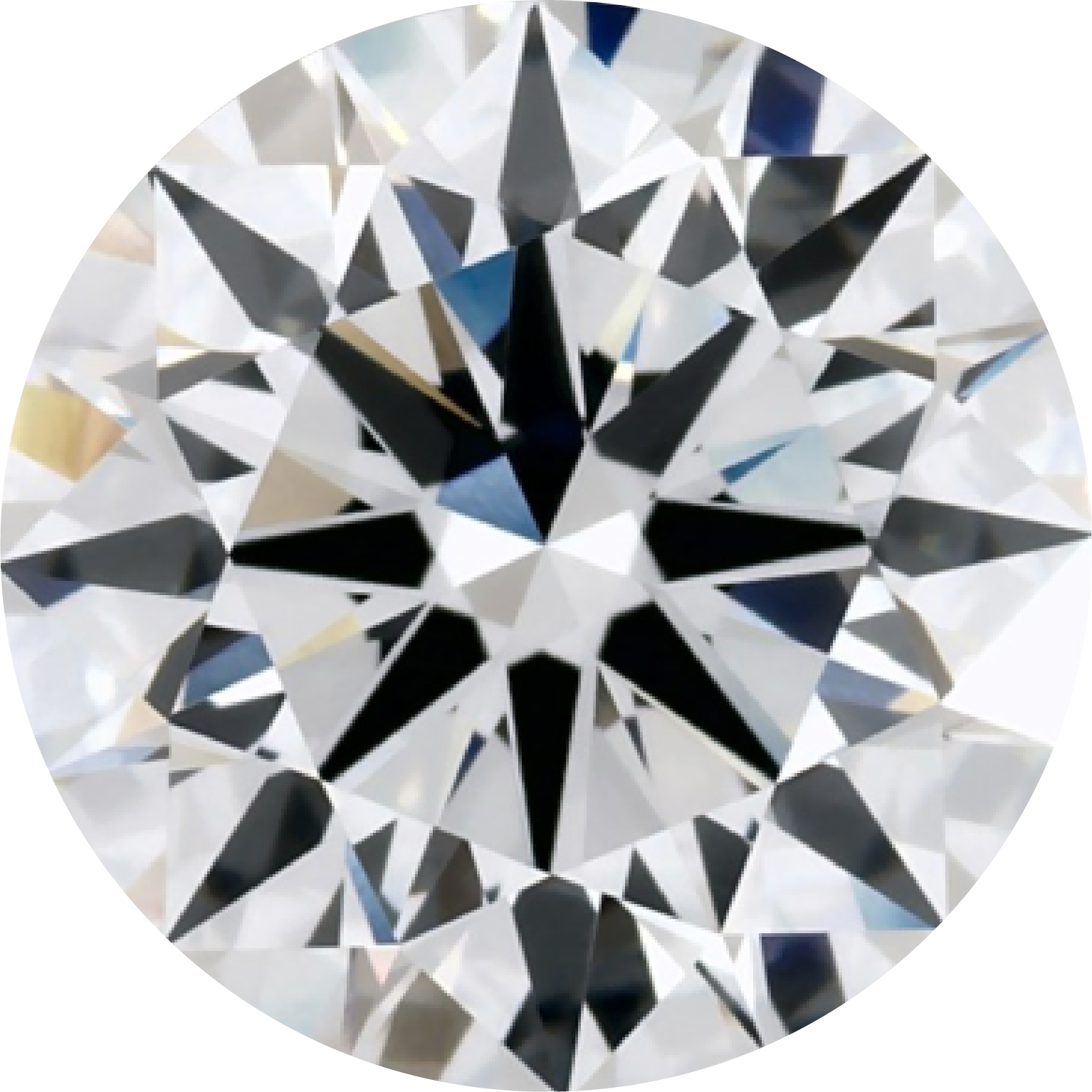
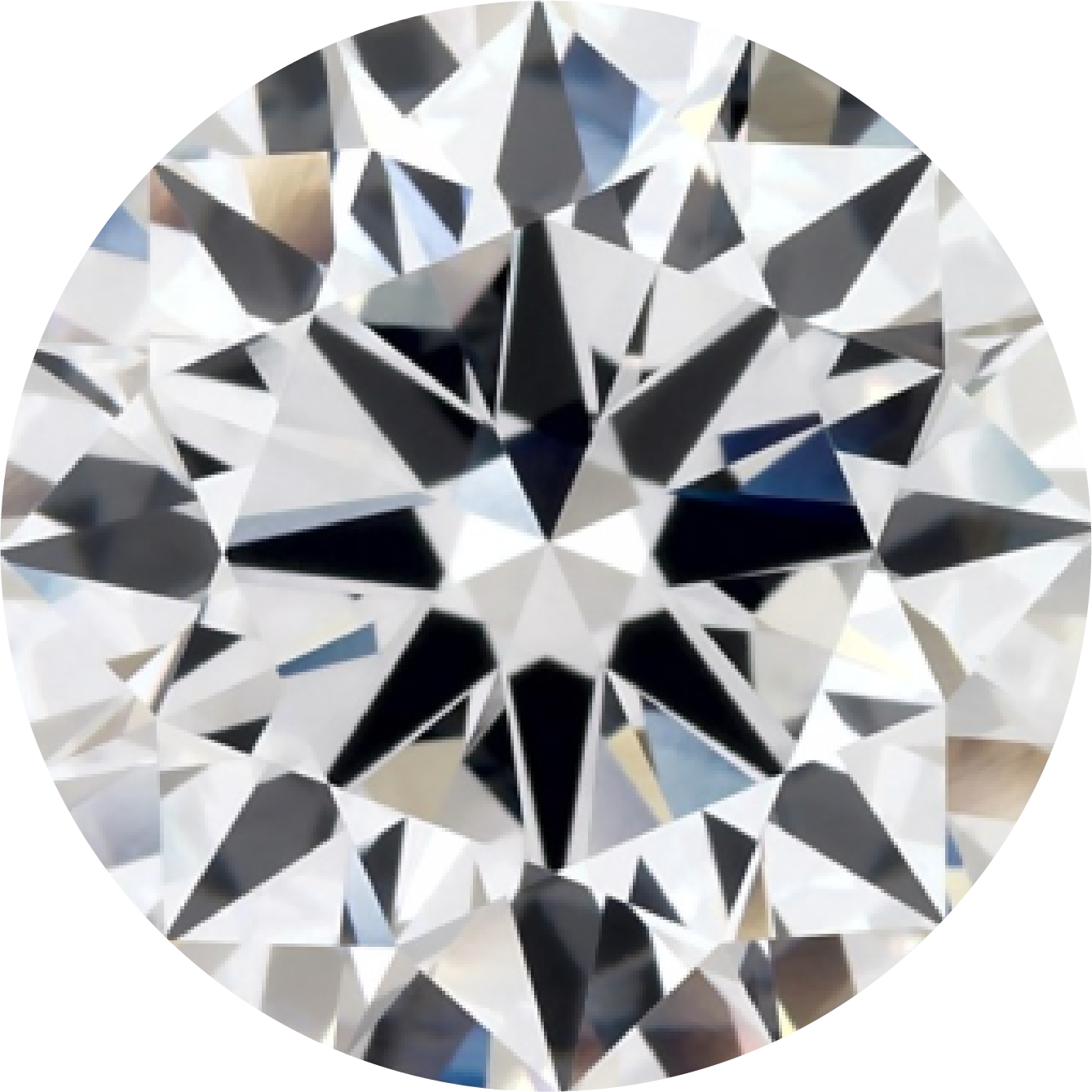
Two identical diamonds: GIA Certified, 1.51ct, D Color, VVS1, Ideal Cut. One is natural ($16,530), the other is lab-grown ($2,390). Choose the diamond you like better and see if you can match it to its origin.
In this guide, we are breaking down the exact costs, the scams to avoid, and why your sales receipt isn’t enough to protect your investment. This is one of those hidden costs of an engagement ring that most people overlook until it’s too late.
How Much is a Jewelry Appraisal? (The Real Breakdown)
When you ask, “How much is a jewelry appraisal?” in 2026, the answer depends entirely on the expertise of the gemologist and the complexity of the piece. Most independent appraisers have moved away from the “mall jeweler” model to a more clinical, data-driven approach.
Flat Fee vs. Hourly Rate (What to Choose)
For a single engagement ring, expect to pay a flat fee of $100 – $250. If you are bringing in a collection of heirloom jewelry or an estate bag, an hourly rate of $50 – $150 is more common and often more cost-effective.
Why the Price Varies:
- Complexity: A 1-carat D color diamond solitaire is a straightforward 20-minute job ($125).
However, a 3-stone 4-carat radiant cut diamond ring with a hidden halo and 50 pavé diamonds requires mapping every single stone, which can push the price to $250. - Location: Overheads in 2026 vary. A certified appraiser in New York City or Los Angeles will typically charge $50–$100 more than one in Ohio or Texas due to insurance and lab rent costs.
2026 Appraisal Cost Matrix
| Appraisal Type | Estimated Cost | Best For… | Mehedi’s 2026 Verdict |
|---|---|---|---|
| Standard Solitaire | $125 – $175 | Modern GIA-certified solitaires or simple halos. | The baseline appraisal cost for standard insurance riders. |
| Complex Designer Ring | $200 – $300 | Vintage pieces or rings with marquise side stones. | Increased Lab Time. Complex settings require more documentation of hidden features. |
| Bulk Estate (Hourly) | $75 – $125 /hr | Sorting through 5+ items of unknown value. | Ideal for heirs. Always check for GIA natural diamond inscriptions first to save time. |
| While-You-Watch | +$50 Premium | High-value diamond security. | Strictly for peace of mind. Use my appraisal calculator to see if your total justifies the fee. |
| The 2026 Service Verdict: Never compromise on security. While the “While-You-Watch” fee is extra, it ensures your stone remains in sight—a critical step for high-carat VVS1 diamonds. For standard builds, stick with flat fees from reputable online retailers who often provide these services in-house. | |||
Mehedi’s Insight: Know the Document
“Don’t confuse a sales receipt with an appraisal. A receipt tells the insurance company what you were willing to pay; an appraisal tells them what the market says it will cost to replace.
If you’re still unclear on why this piece of paper costs $150, read our full Definition of Appraisal for Diamond Ring.”
The “Percentage Fee” Scam (Red Flag Warning)
In the 2026 jewelry market, transparency is everything. One of the most common traps for first-time diamond buyers is the “Percentage Fee” model. If you ask an appraiser for their price and they respond with, “It’s 1% of the final value,” you need to walk out immediately.
Why You Must Never Pay a Percentage
Charging a fee based on a percentage of the jewelry’s value is not just a “bad deal”—it is a direct violation of the ethical standards set by the GIA and the USPAP (Uniform Standards of Professional Appraisal Practice).
Professional, unbiased valuation must be independent of the final dollar amount. If the fee changes based on the result, the appraisal is no longer an objective document; it is a sales pitch.
The Conflict of Interest: Mehedi’s Reality Check
“This is where the ‘Inflation Trap’ begins. If an appraiser gets paid 1% of the ring’s value, they have a massive financial incentive to tell you that your 2 carat vvs1 diamond is worth $50,000 instead of its real $20,000 market value.
You walk out of the office feeling like you got a ‘steal,’ but the reality is much darker. You will now spend the next decade paying artificially high insurance premiums on a value that doesn’t exist.
If you ever actually lose the ring, the insurance company will only pay the actual replacement cost, not the inflated number on your paper. You’ve essentially paid the appraiser to help the insurance company overcharge you.”
The Rule: Hire for Time, Not Value
In 2026, reputable appraisers only use two billing methods:
- A Flat Fee: Usually $100 – $250 per item.
- An Hourly Rate: Usually $50 – $150 per hour for bulk work.
By paying for the gemologist’s time and expertise rather than a “cut” of the value, you ensure that the report is accurate, ethical, and legally defensible. If you’re worried about overpaying for your insurance, check out my guide on Hidden Costs of an Engagement Ring to see where else you might be losing money.
Diamond Ring Appraisal Cost Breakdown
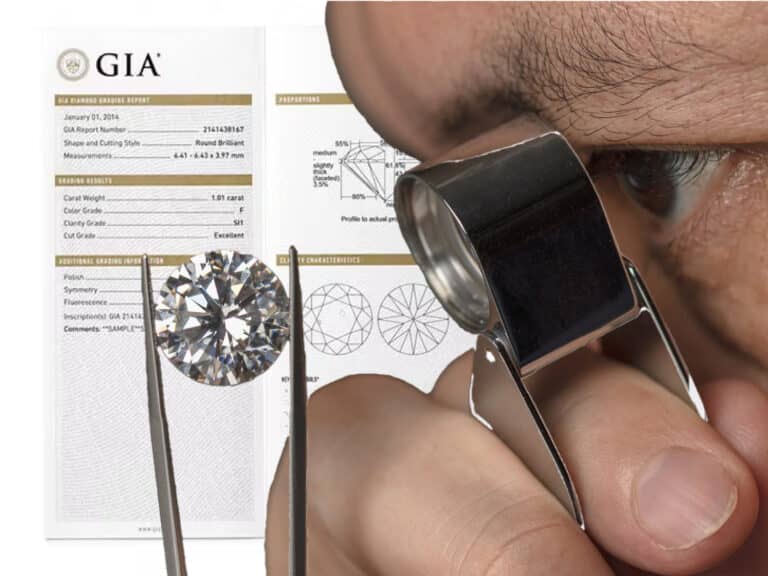
When you pay $150 for a certified appraisal in 2026, you aren’t just paying for a piece of paper. You are paying for a forensic analysis of your jewelry. A professional appraiser uses a suite of scientific tools to verify every claim made by the original seller.
What Exactly Are You Paying For?
You are paying for three specific things: the gemologist’s legal liability (they are signing a document that must hold up in court or for insurance), their technical time, and their specialized laboratory equipment.
In 2026, a standard appraisal lab includes refractometers (to measure light refraction), high-power binocular microscopes, and electronic gold testers or specialized acids to verify the purity of your 14k or 18k gold.
The Appraisal Process: Step-by-Step
| Step | Technical Action | Why It Matters for Insurance | Mehedi’s 2026 Verdict |
|---|---|---|---|
| Cleaning & Prep | Ultrasonic Cleaning | Essential to see “hidden” inclusions. | Crucial for high-clarity VVS1 diamonds where dust can mimic flaws. |
| Plotting | Internal “Fingerprinting” | Proves ownership for recovery. | The ultimate appraisal feature. Essential for high-value 5-carat builds. |
| Weight Analysis | Gram/Carat Calculation | Verifies the exact specs. | Ensures the exact gold weight and carat size match your original GIA report. |
| Metal Testing | Acid or XRF Testing | Confirms material purity. | Verifies if your platinum setting is genuine or a cheaper palladium-mix alloy. |
| Market Research | 2026 Benchmarking | Replacement Value Accuracy. | Calculated using the appraisal calculator to adjust for current diamond market drops. |
| The 2026 Protocol Verdict: An appraisal is your ring’s “passport.” Never accept a valuation that skips Plotting, as this map of inclusions is the only way to identify your specific stone if stolen. For high-value online purchases, ensure your appraisal update reflects the 2026 premium for VVS2 performance. | |||
The Process Checklist
- Plotting: This is the most time-consuming part. The appraiser maps the exact internal characteristics of your diamond. This acts as a “DNA profile” for your stone.
- Metal Weight: Accurate weighing is critical. Even a few grams of difference in a platinum ring can change the appraisal value by hundreds of dollars.
- Market Research: In 2026, diamond prices are volatile. The appraiser doesn’t just “guess”; they use professional databases like RapNet to find out what it would cost to buy an identical stone today.
“If your appraiser doesn’t use a microscope or doesn’t weigh the ring on a digital scale in front of you, they aren’t giving you an appraisal—they’re giving you a guess. A guess won’t help you when you’re filing a claim for a lost 3 carat radiant cut diamond ring.”
Sales Receipt vs. Certified Appraisal
One of the most common mistakes diamond buyers make in 2026 is assuming that a high-end sales receipt is a substitute for a professional appraisal. While a receipt is proof of a transaction, it is virtually useless as a primary insurance document for a high-value asset.
Why Insurance Won’t Accept Your Receipt
A receipt shows what you paid on a specific calendar day. An insurance appraisal states the Retail Replacement Value—the cost to remake or repurchase the exact same ring in the open market today.
Insurance underwriters require a certified appraisal because they aren’t insuring your “deal”; they are insuring the replacement of the physical item.
If you bought a 2-carat vvs1 diamond at a 30% discount during a holiday sale, a receipt only covers that discounted price. If you lose the ring and need to replace it when there is no sale, your insurance check won’t cover the full cost.
Mehedi’s Insight: The “Inflation Gap”
“You might notice that your appraisal value is usually 10% to 20% higher than your actual sales receipt. Don’t panic—this isn’t a mistake.
This is called the ‘Inflation Gap.’ Because insurance policies are often renewed annually for years, the appraiser builds in a buffer. If you lose your ring five years from now, inflation and the rising cost of platinum or gold mean the ring will cost more to replace than it did today.
The insurance company needs that higher valuation to guarantee they can actually cut a check that covers the full replacement.”
Appraisal Value vs. Resale Reality
It is vital to remember that an insurance appraisal is not what you can sell the ring for. If you take an appraisal for $15,000 to a pawn shop, they will laugh. Appraisals are for replacement (the highest market price), while resale is based on immediate liquidity (the lowest market price).
To see the brutal truth about what your ring is actually worth on the open market, check out our Natural Diamond Resale Value Guide.
How to Find a Certified Jewelry Appraiser Near Me
In 2026, the jewelry market is flooded with high-quality lab-grown diamonds and sophisticated simulants. You cannot afford to trust your jewelry appraisal cost for insurance to a part-time retail clerk. Finding a qualified professional is the only way to ensure your policy actually pays out.
Credentials to Look For in 2026
Do not just Google “jewelry appraisal for insurance near me” and walk into the first mall store you see. A salesperson is not an appraiser. You need a professional who doesn’t have a vested interest in selling you a new ring. Look for specific, verifiable degrees and memberships that prove they are governed by a code of ethics.
The “Alphabet Soup” of Trust:
To ensure your document is legally and industrially sound, look for these specific acronyms after the appraiser’s name:
- GG (Graduate Gemologist): Issued by the GIA. This is the mandatory baseline. A GG has undergone rigorous training to identify stone treatments, synthetics, and origin. If they aren’t a GG, they shouldn’t be touching your 1-carat VVS1 diamond.
- NAJA (National Association of Jewelry Appraisers): Membership here ensures the appraiser follows strict legal guidelines and USPAP standards. They are required to keep their market data current every year.
- ASA or ISA: The American Society of Appraisers or International Society of Appraisers. These titles mean the individual is a specialist in the methodology of valuation, not just the science of gems.
Mehedi’s Insight: Why the “GG” is Non-Negotiable
“In 2026, distinguishing between a high-end lab-grown stone and a natural one requires advanced spectroscopy and a master’s level of diamond grading.
If your appraiser isn’t a Graduate Gemologist, they might incorrectly label your stone, which could lead to a catastrophic insurance nightmare. You are paying for their education as much as their time. To understand why this specific training is the global benchmark, read my deep dive on What Does GIA Certified Mean?.”
FAQ: The Appraisal Process
In 2026, the jewelry appraisal cost for insurance is one of the most misunderstood parts of owning a diamond. Here are the direct, expert-vetted answers to the questions my clients ask most often.
How much should I expect to pay for a certified jewelry appraisal for insurance in 2026?+
For a single item like an engagement ring, you should expect to pay a flat fee of $100 to $250. If you are appraising a large collection or an estate, many gemologists will offer an hourly rate of $50 to $150 per hour to keep the per-item cost lower. To get an estimated baseline before booking, you can use our diamond appraisal calculator.
Is it normal for a jewelry appraiser to charge a percentage of my ring’s value?+
No, absolutely not. Charging a percentage (e.g., 1% of the ring’s final appraised value) is a major red flag and an ethical violation of USPAP (Uniform Standards of Professional Appraisal Practice) standards. This creates a conflict of interest where the appraiser is financially incentivized to inflate your ring’s value so they can charge you a higher fee.
Can I just use my original store sales receipt to insure my diamond ring?+
Usually, no. A sales receipt only proves what you paid at a specific point in the past. Most major insurers, like Jewelers Mutual, require a certified appraisal because it provides the current Retail Replacement Value, which accounts for 2026 market shifts, inflation, and metal prices. Learn more about the exact paperwork required in our definition of appraisal for diamond ring guide.
What is the difference between a GIA diamond grading report and a jewelry appraisal?+
A GIA report is simply a gemological “blueprint” that scientifically grades the 4Cs (Cut, Color, Clarity, and Carat weight) of the stone, but it explicitly does not assign a dollar value. A jewelry appraisal takes that exact grading data from the lab and converts it into a current monetary value for insurance purposes. Find out more about lab reports in what does GIA certified mean?
Do I have to leave my ring at the store, or can it be done while I watch?+
You do not have to leave it. Many independent, certified appraisers offer “while-you-watch” appointments for a small premium (typically $25 to $75 extra). This gives you total peace of mind that your diamond is never out of your sight during the inspection, weighing, and plotting process.
Why is the appraised value usually higher than the retail price I actually paid?+
This is known as the “Inflation Gap.” Appraisers purposefully build in a 10% to 20% buffer. The goal is that if you lose the ring in three or four years, your insurance payout will actually cover the cost of fabricating a brand new ring at future retail prices, even if gold or diamond prices have risen since your original purchase.
What specific credentials should I look for in a certified jewelry appraiser?+
The “Gold Standard” in the industry is a GG (Graduate Gemologist) diploma from the GIA (Gemological Institute of America). Additionally, you should look for active memberships in strict professional organizations like the NAJA (National Association of Jewelry Appraisers) or the ASA (American Society of Appraisers), which mandate continuous education.
How often should I get my diamond engagement ring reappraised?+
Most insurance companies recommend getting a fresh appraisal update every 3 to 5 years. In 2026, with the high volatility in the market and instances where diamond prices are dropping, an update is crucial to ensure you aren’t overpaying on your annual insurance premiums for a value that has significantly shifted down.
Does it cost the same to update an old appraisal as it does to get a new one?+
No. Most appraisers offer a heavily discounted “Appraisal Update” fee (usually around $50 to $75) if they performed the original work. Because they already have the diamond’s measurements and plotting on file, they only need to adjust the final monetary value based on new 2026 market data, rather than starting the inspection from scratch.
Why do some appraisers charge a flat fee while others charge an hourly rate?+
Flat fees are standard for single, predictable items like a modern 2-carat solitaire engagement ring because the labor time is known. Hourly rates are utilized for complex antique jewelry or large estates where the gemologist must spend unpredictable hours researching rare vintage makers’ marks or individually sorting and grading hundreds of small melee stones.
Conclusion: Mehedi’s Final Verdict
When you are dealing with a $5,000, $10,000, or $50,000 asset, trying to save fifty bucks on the paperwork is the definition of stepping over dollars to pick up pennies.
Here is my final advice as a gemologist on how to handle your jewelry appraisal in 2026:
The Golden Rule:
Budget a flat fee of $150 to $250 for a proper, certified appraisal. Treat this fee as the necessary first step to protecting your investment. If your insurance company requires a replacement value document, you want that document to be bulletproof if a loss or theft ever occurs.
The Hard Warning:
I will say it one last time: never pay a percentage-based fee. Avoid “free” appraisals from mall jewelers that are just sales tactics in disguise, and do not hand your jewelry over to anyone who does not hold a Graduate Gemologist (GG) diploma.
Your Next Step:
Appraisals are not a “one and done” document. Gold hits record highs, and diamond markets fluctuate. If your appraisal is more than three years old, you are likely overpaying or underinsured.
To understand how the current 2026 market is affecting your ring’s replacement value, read my latest market analysis on why Diamond Prices Are Dropping and whether it’s time to get your paperwork updated.